10 Things You Want To Know About Medical Malpractice
Getting medical care should help improve your health, not make your condition worse. Most healthcare providers work carefully and professionally, but preventable medical mistakes still occur. When those errors cause serious harm, patients may be left dealing with physical, emotional, and financial consequences while trying to understand their legal rights.
This article explains ten important things every patient should know about medical malpractice claims, common warning signs, and how an experienced medical malpractice attorney may help after a serious medical mistake.
1. A Poor Medical Outcome Does Not Always Mean Malpractice
Not every unsuccessful treatment or surgery automatically means a doctor acted improperly. Some illnesses are difficult to diagnose or treat, even when healthcare providers follow accepted standards.
A legal claim may exist when a provider fails to exercise reasonable care, and that mistake directly causes injury or worsens the condition.
Examples can include:
- Delayed diagnosis
- Surgical errors
- Medication mix-ups
- Birth-related injuries
- Failure to monitor a patient
- Incorrect treatment plans
The key question is whether the harm could have been prevented with proper care.
2. Medical Negligence Can Happen in Many Ways
Healthcare errors are not always dramatic or obvious. In some situations, the problem develops slowly over time.
Diagnosis Errors
Doctors may fail to recognize symptoms, order proper testing, or identify serious conditions early enough for effective treatment.
Medication Problems
Mistakes involving prescriptions, dosages, or drug interactions can lead to severe complications.
Surgical Issues
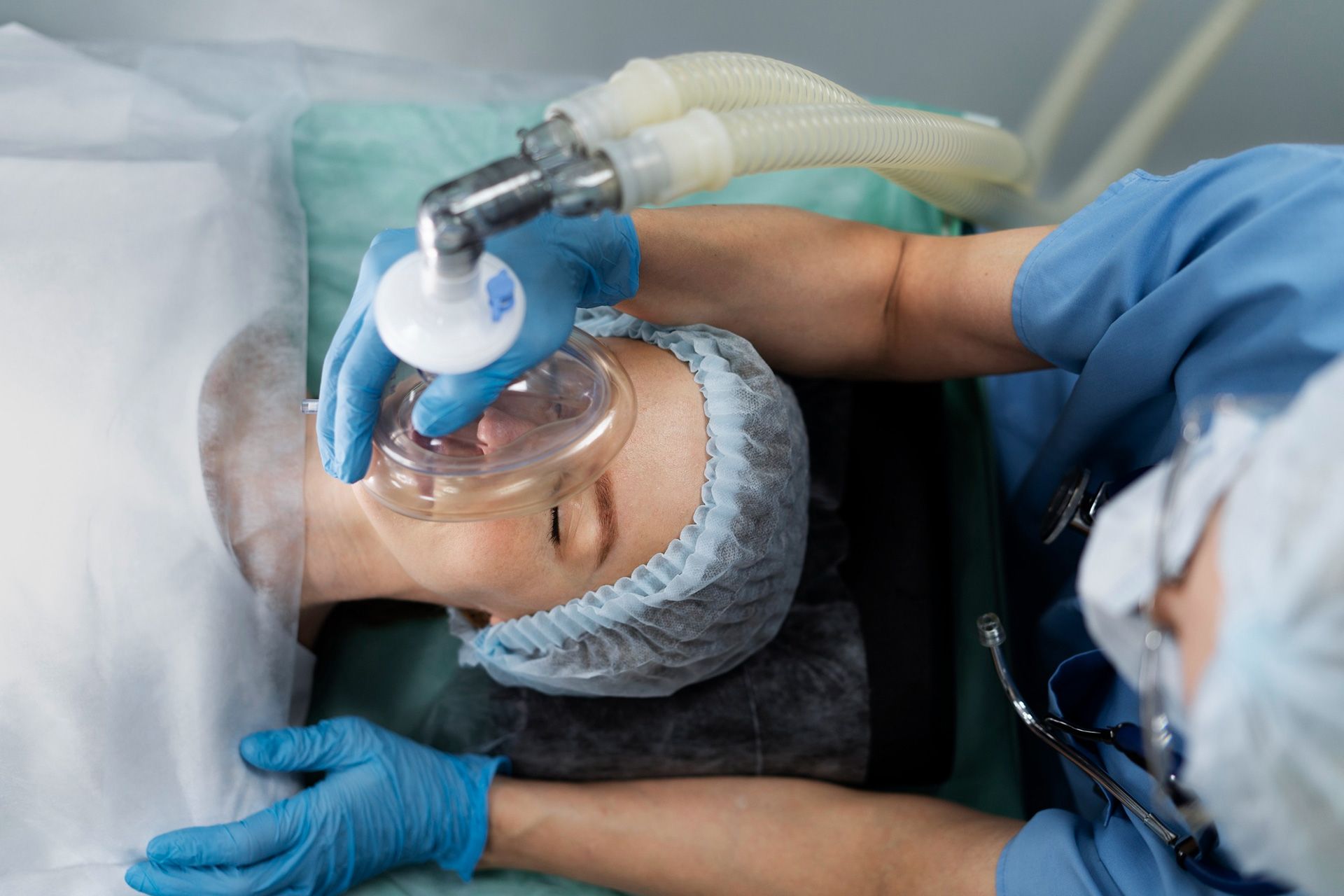
Surgical errors, anesthesia errors, or poor follow-up care may lead to long-term health problems.
Medical negligence may involve one mistake or several small errors that together cause patient harm.
3. Hospitals Are Not the Only Parties That May Be Responsible
People often assume only doctors can be held responsible, but many healthcare professionals and facilities may contribute to patient injuries.
Possible parties may include:
- Nurses
- Surgeons
- Emergency room staff
- Pharmacists
- Medical clinics
- Hospitals
- Specialists
A medical malpractice attorney reviews records carefully to identify who may be legally responsible.
4. Delayed Diagnosis Can Cause Serious Harm
One of the most common medical malpractice claims involves delayed or missed diagnosis.
Why Early Diagnosis Matters
Conditions such as cancer, stroke, heart attack, and infections often require quick treatment. Delays can reduce treatment options and increase health risks.
Patients May Lose Valuable Time
When providers fail to recognize warning signs early, patients may face more complicated treatment and longer recovery periods.
In some cases, delayed care may permanently affect a person’s quality of life.
5. Strong Evidence Is Important in These Cases
These legal matters are often complex because they require proof that a provider’s actions directly caused harm.
Medical Records Matter
Treatment records, test results, prescriptions, and hospital notes help explain what happened during patient care.
Expert Review Is Often Needed
Medical experts may evaluate whether the healthcare provider followed accepted standards and whether the mistakes caused injury.
Detailed evidence is often necessary to successfully support legal malpractice claims.
6. Communication Problems Should Not Be Ignored
Poor communication does not always prove wrongdoing, but it can sometimes point to larger issues.
Warning signs may include:
- Avoiding patient questions
- Providing unclear explanations
- Delayed follow-up after complications
- Missing test information
- Conflicting answers from staff
Patients should always ask questions if something feels wrong during treatment.
7. These Cases Often Involve Long-Term Effects
Healthcare-related injuries may continue affecting a patient long after the original incident.
Possible long-term consequences include:
- Ongoing treatment needs
- Rehabilitation
- Emotional stress
- Lost income
- Physical limitations
- Reduced quality of life
The impact can affect both patients and their families for years.
8. Legal Deadlines Are Important
Every state has rules limiting how long people have to file legal claims after a healthcare mistake. Patients dealing with Florida cases may benefit from reviewing this med malpractice claim guide to better understand deadlines, legal procedures, and how malpractice claims work.
Waiting too long may:
- Make evidence harder to collect
- Reduce witness availability
- Affect legal rights
Speaking with a medical malpractice attorney early may help preserve important information and avoid missed deadlines.
9. Patients Should Keep Their Own Records
Keeping organized information can help if questions arise later about treatment or provider actions.
Helpful documents may include:
- Appointment summaries
- Medical bills
- Prescriptions
- Insurance letters
- Imaging reports
- Personal notes about symptoms
Clear documentation often helps lawyers and medical experts review the situation more effectively.
10. Legal Guidance Can Help You Understand Your Options
Many people are unsure whether they experienced preventable harm or simply had an unexpected outcome.
A medical malpractice attorney can:
- Review medical records
- Evaluate possible errors
- Explain legal rights
- Identify responsible parties
- Help determine whether a claim may exist
Even if you are uncertain about your situation, getting professional guidance may help you better understand your options after a serious medical malpractice injury.
How Patients Can Protect Themselves
While no patient can prevent every healthcare mistake, staying informed may help reduce risks.
Ask Questions About Treatment
Patients should understand:
- Their diagnosis
- Recommended treatment
- Possible side effects
- Follow-up care instructions
Seek Another Opinion if Necessary
A second opinion may help confirm major treatment decisions, especially for surgery or serious illnesses.
Stay Involved in Your Care
Tracking symptoms, medications, and appointments may help patients notice problems earlier.
Direct Answer: What Should Patients Know About Medical Malpractice?
Patients should know that preventable healthcare mistakes can sometimes lead to serious harm and legal claims. Understanding warning signs, keeping records, and seeking guidance early may help protect your health and legal rights.
Conclusion
Healthcare mistakes can create lasting physical, emotional, and financial challenges for patients and families. Understanding how these cases work may help you recognize potential problems and make informed decisions after a serious medical error.
At Chakour Law, we help individuals review possible cases involving unsafe treatment, delayed diagnosis, surgical mistakes, and other forms of negligent care. Our team works carefully to help clients understand their legal rights and next steps. If you believe a healthcare provider’s actions caused serious harm, we are here to help you evaluate your situation with honesty and professionalism. Schedule a consultation with Chakour Law to discuss your concerns.
FAQs
What is considered medical malpractice?
A case may involve improper medical care that causes injury or worsens a patient’s condition because accepted standards were not followed.
What is the difference between medical negligence and malpractice?
Negligence refers to a mistake in healthcare, while malpractice usually means that the mistake directly caused patient harm.
Can hospitals be responsible for patient injuries?
Yes. Hospitals, clinics, nurses, and other healthcare providers may share responsibility depending on the situation.
Why are these cases difficult to prove?
These cases often require detailed medical evidence, expert review, and proof that the provider’s actions caused harm.
When should I contact a medical malpractice attorney?
It is best to seek legal guidance as soon as possible after discovering a serious medical error or an unexpected injury.
Disclaimer: The information on this website and blog is for general informational purposes only and is not professional advice. We make no guarantees of accuracy or completeness. We disclaim all liability for errors, omissions, or reliance on this content. Always consult a qualified professional for specific guidance.
RECENT POSTS